Fun Facts About the Name Elizabeth
- A favorite across generations: Elizabeth stayed in the U.S. top 100 every year from 1880 through 2025 - 146 consecutive years.
- Still popular, but losing ground: Elizabeth's rank fell 7 places between 1995 and 2025, while remaining in the top 100.
- More than 1 million babies named Elizabeth: U.S. records list 1,693,854 babies given the name Elizabeth from 1880 through 2025. Even 5,216 boys received the name Elizabeth - about 1 boy for every 324 girls.
What Does the Name Elizabeth Mean?
Elizabeth is the English form of a Hebrew name, אֱלִישֶׁבַע (Elisheva), whose usual meaning is given as "God is my oath" or "my God is an oath." The first element is אֵל (El), a Hebrew word for God. The second element is commonly connected with שְׁבוּעָה (shvu'a), "oath."
The same consonants can also be read as שֶׁבַע (sheva), "seven," which has led to the alternative explanation "God is abundance" or "God's seven." The oath reading is the one most often repeated, but the precise sense of the second element in this name is not settled. "Consecrated to God" is a later customary paraphrase rather than a literal translation.
The name reached English by a long route: Hebrew Elisheva was rendered in Greek as Ἐλισάβετ (Elisabet), then in Latin as Elisabeth, and from Latin and French into English. The z in the English spelling traces back to the Hebrew letter zayin, carried through the Greek and Latin forms.
Elizabeth Name History & Origins
In the Hebrew Bible, Elisheva is the wife of Aaron and the daughter of Amminadab (Exodus 6:23). The Greek Septuagint used the form Ἐλισάβετ for her, and the same Greek name appears in the New Testament for the wife of Zechariah and mother of John the Baptist (Luke 1). That New Testament figure gave the name a place in Christian scripture and in the calendars of saints, which helped carry it across Europe.
Latin Elisabeth, used in the Vulgate and in church usage, became the source for forms in many western European languages, including French Élisabeth, Spanish and Portuguese Isabel, Italian Elisabetta, German Elisabeth, and Russian Yelizaveta. English use of the name came chiefly through Old French after the Norman Conquest of 1066; before that, Old English speakers knew it mainly as a scriptural and ecclesiastical name in its Latin form.
Medieval England also used Isabel and Isabella, which come from a Provençal form of the same name and soon became independent names in their own right. Elizabeth itself produced a large family of English short forms, among them Bess, Bessie, Beth, Betsy, Betty, Eliza, Elsie, Libby, Lisa, and Liza.
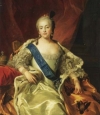
The name has been borne by English queens, including Elizabeth of York, Elizabeth I, and Elizabeth II, and by Saint Elizabeth of Hungary (1207 - 1231). It also appears in literature, notably as the name of Elizabeth Bennet in Jane Austen's Pride and Prejudice, a well-known literary bearer rather than evidence about the name's origin.
How Popular is the Name Elizabeth?
Elizabeth has maintained century-spanning popularity, remaining an unbroken fixture in the U.S. top 100 continuously from 1880 to 2025.
U.S. name popularity from 1880-2025, based on SSA data. Rank shows how the name compares with other names - lower numbers mean greater popularity. Births shows how many babies received the name each year.
| Year | Rank | Births | % |
|---|---|---|---|
| 2025 | #17 | 6,760 | 0.4206% |
| 2024 | #17 | 6,878 | 0.4264% |
| 2023 | #15 | 6,600 | 0.4118% |
| 2022 | #15 | 7,014 | 0.4280% |
| 2021 | #14 | 7,261 | 0.4428% |
| 2020 | #16 | 7,299 | 0.4518% |
| 2019 | #14 | 7,920 | 0.4721% |
| 2018 | #13 | 8,595 | 0.5055% |
| 2017 | #13 | 8,999 | 0.5214% |
| 2016 | #13 | 9,602 | 0.5420% |
| 2015 | #13 | 9,766 | 0.5472% |
| 2014 | #13 | 9,597 | 0.5374% |
| 2013 | #10 | 9,474 | 0.5400% |
| 2012 | #10 | 9,729 | 0.5526% |
| 2011 | #11 | 10,106 | 0.5746% |
| 2010 | #12 | 10,280 | 0.5784% |
| 2009 | #11 | 11,055 | 0.6018% |
| 2008 | #9 | 12,025 | 0.6360% |
| 2007 | #10 | 13,070 | 0.6799% |
| 2006 | #11 | 12,440 | 0.6544% |
| 2005 | #11 | 12,742 | 0.6896% |
| 2004 | #10 | 13,574 | 0.7393% |
| 2003 | #9 | 14,122 | 0.7729% |
| 2002 | #11 | 14,620 | 0.8137% |
| 2001 | #9 | 14,792 | 0.8215% |
| 2000 | #9 | 15,117 | 0.8324% |
| 1999 | #10 | 15,350 | 0.8654% |
| 1998 | #10 | 15,193 | 0.8599% |
| 1997 | #9 | 15,428 | 0.8863% |
| 1996 | #10 | 16,004 | 0.9130% |
| 1995 | #10 | 16,192 | 0.9208% |
| 1994 | #9 | 16,786 | 0.9400% |
| 1993 | #9 | 17,559 | 0.9706% |
| 1992 | #9 | 19,034 | 1.0323% |
| 1991 | #9 | 20,395 | 1.0877% |
| 1990 | #9 | 20,749 | 1.0929% |
| 1989 | #10 | 20,298 | 1.1010% |
| 1988 | #10 | 20,042 | 1.1254% |
| 1987 | #10 | 18,608 | 1.0703% |
| 1986 | #10 | 19,074 | 1.1118% |
| 1985 | #9 | 20,545 | 1.1939% |
| 1984 | #10 | 20,361 | 1.2092% |
| 1983 | #10 | 19,842 | 1.1877% |
| 1982 | #8 | 20,507 | 1.2110% |
| 1981 | #9 | 20,169 | 1.2091% |
| 1980 | #9 | 19,531 | 1.1763% |
| 1979 | #11 | 18,075 | 1.1259% |
| 1978 | #14 | 16,809 | 1.0973% |
| 1977 | #13 | 16,431 | 1.0717% |
| 1976 | #16 | 13,546 | 0.9246% |
| 1975 | #15 | 12,473 | 0.8555% |
| 1974 | #12 | 12,263 | 0.8356% |
| 1973 | #13 | 12,358 | 0.8475% |
| 1972 | #15 | 12,183 | 0.8009% |
| 1971 | #19 | 13,605 | 0.8177% |
| 1970 | #18 | 15,112 | 0.8645% |
| 1969 | #16 | 15,295 | 0.9066% |
| 1968 | #17 | 14,886 | 0.9075% |
| 1967 | #13 | 16,116 | 0.9761% |
| 1966 | #16 | 15,886 | 0.9388% |
| 1965 | #16 | 16,323 | 0.9247% |
| 1964 | #16 | 17,294 | 0.9127% |
| 1963 | #20 | 17,597 | 0.9130% |
| 1962 | #20 | 17,804 | 0.9053% |
| 1961 | #19 | 18,855 | 0.9342% |
| 1960 | #18 | 18,859 | 0.9327% |
| 1959 | #21 | 18,422 | 0.9104% |
| 1958 | #22 | 18,536 | 0.9215% |
| 1957 | #22 | 17,491 | 0.8554% |
| 1956 | #22 | 16,353 | 0.8145% |
| 1955 | #21 | 16,697 | 0.8539% |
| 1954 | #20 | 16,586 | 0.8541% |
| 1953 | #21 | 16,098 | 0.8557% |
| 1952 | #22 | 16,023 | 0.8641% |
| 1951 | #23 | 15,118 | 0.8395% |
| 1950 | #24 | 14,334 | 0.8368% |
| 1949 | #25 | 13,714 | 0.8016% |
| 1948 | #26 | 13,215 | 0.7783% |
| 1947 | #25 | 13,439 | 0.7581% |
| 1946 | #25 | 11,753 | 0.7480% |
| 1945 | #26 | 10,343 | 0.7913% |
| 1944 | #23 | 11,034 | 0.8314% |
| 1943 | #23 | 11,644 | 0.8345% |
| 1942 | #22 | 11,185 | 0.8281% |
| 1941 | #21 | 10,268 | 0.8499% |
| 1940 | #20 | 9,956 | 0.8706% |
| 1939 | #18 | 9,709 | 0.8854% |
| 1938 | #17 | 9,802 | 0.8883% |
| 1937 | #17 | 9,385 | 0.8820% |
| 1936 | #18 | 8,860 | 0.8516% |
| 1935 | #17 | 9,075 | 0.8655% |
| 1934 | #18 | 9,346 | 0.8950% |
| 1933 | #17 | 9,016 | 0.8945% |
| 1932 | #17 | 9,999 | 0.9370% |
| 1931 | #16 | 10,292 | 0.9666% |
| 1930 | #15 | 10,995 | 0.9765% |
| 1929 | #15 | 11,248 | 1.0074% |
| 1928 | #14 | 11,767 | 1.0203% |
| 1927 | #13 | 12,523 | 1.0502% |
| 1926 | #11 | 12,837 | 1.0829% |
| 1925 | #10 | 13,936 | 1.1447% |
| 1924 | #11 | 14,950 | 1.1971% |
| 1923 | #9 | 15,460 | 1.2815% |
| 1922 | #9 | 15,243 | 1.2692% |
| 1921 | #10 | 15,800 | 1.2814% |
| 1920 | #8 | 15,908 | 1.3276% |
| 1919 | #8 | 15,287 | 1.3527% |
| 1918 | #9 | 15,853 | 1.3694% |
| 1917 | #8 | 15,131 | 1.3994% |
| 1916 | #8 | 14,940 | 1.4306% |
| 1915 | #8 | 14,103 | 1.4334% |
| 1914 | #8 | 11,367 | 1.4926% |
| 1913 | #8 | 9,505 | 1.5219% |
| 1912 | #8 | 8,527 | 1.5278% |
| 1911 | #7 | 6,298 | 1.5056% |
| 1910 | #7 | 5,800 | 1.4628% |
| 1909 | #7 | 5,176 | 1.4907% |
| 1908 | #7 | 4,904 | 1.4669% |
| 1907 | #7 | 4,624 | 1.4515% |
| 1906 | #7 | 4,320 | 1.4629% |
| 1905 | #6 | 4,121 | 1.4132% |
| 1904 | #6 | 3,833 | 1.3920% |
| 1903 | #6 | 3,724 | 1.4215% |
| 1902 | #6 | 3,694 | 1.3989% |
| 1901 | #6 | 3,216 | 1.3437% |
| 1900 | #6 | 4,096 | 1.3663% |
| 1899 | #7 | 3,287 | 1.4106% |
| 1898 | #7 | 3,659 | 1.4140% |
| 1897 | #6 | 3,442 | 1.4697% |
| 1896 | #7 | 3,471 | 1.4589% |
| 1895 | #5 | 3,603 | 1.5422% |
| 1894 | #5 | 3,425 | 1.5364% |
| 1893 | #5 | 3,360 | 1.5782% |
| 1892 | #3 | 3,461 | 1.6299% |
| 1891 | #4 | 3,059 | 1.6492% |
| 1890 | #3 | 3,112 | 1.6347% |
| 1889 | #3 | 3,058 | 1.7145% |
| 1888 | #3 | 3,224 | 1.8049% |
| 1887 | #3 | 2,681 | 1.8365% |
| 1886 | #4 | 2,680 | 1.8542% |
| 1885 | #4 | 2,582 | 1.9406% |
| 1884 | #4 | 2,549 | 1.9757% |
| 1883 | #4 | 2,255 | 2.0076% |
| 1882 | #4 | 2,186 | 2.0269% |
| 1881 | #4 | 1,852 | 2.0141% |
| 1880 | #4 | 1,939 | 2.1309% |
| Year | Rank | Births | % |
|---|---|---|---|
| 2025 | #12,572 | 5 | 0.0003% |
| 2024 | #12,802 | 5 | 0.0003% |
| 2023 | #9,151 | 8 | 0.0005% |
| 2021 | #12,680 | 5 | 0.0003% |
| 2019 | #7,300 | 11 | 0.0006% |
| 2017 | #8,341 | 9 | 0.0005% |
| 2016 | #6,841 | 12 | 0.0006% |
| 2015 | #11,080 | 6 | 0.0003% |
| 2014 | #11,122 | 6 | 0.0003% |
| 2013 | #6,732 | 12 | 0.0006% |
| 2012 | #9,104 | 8 | 0.0004% |
| 2011 | #4,869 | 19 | 0.0010% |
| 2010 | #9,040 | 8 | 0.0004% |
| 2009 | #6,544 | 13 | 0.0007% |
| 2008 | #6,507 | 13 | 0.0006% |
| 2007 | #5,068 | 18 | 0.0009% |
| 2006 | #5,141 | 17 | 0.0008% |
| 2005 | #3,848 | 24 | 0.0012% |
| 2004 | #1,939 | 63 | 0.0032% |
| 2003 | #3,060 | 31 | 0.0016% |
| 2002 | #3,952 | 21 | 0.0011% |
| 2001 | #5,780 | 12 | 0.0006% |
| 2000 | #3,671 | 22 | 0.0011% |
| 1999 | #3,510 | 22 | 0.0011% |
| 1998 | #3,322 | 23 | 0.0012% |
| 1997 | #2,634 | 30 | 0.0016% |
| 1996 | #2,859 | 26 | 0.0014% |
| 1995 | #1,929 | 44 | 0.0023% |
| 1994 | #1,904 | 44 | 0.0023% |
| 1993 | #1,625 | 55 | 0.0028% |
| 1992 | #1,664 | 52 | 0.0026% |
| 1991 | #1,402 | 66 | 0.0033% |
| 1990 | #1,129 | 91 | 0.0044% |
| 1989 | #848 | 140 | 0.0070% |
| 1988 | #957 | 102 | 0.0053% |
| 1987 | #923 | 105 | 0.0056% |
| 1986 | #933 | 96 | 0.0052% |
| 1985 | #885 | 105 | 0.0057% |
| 1984 | #909 | 94 | 0.0052% |
| 1983 | #870 | 102 | 0.0057% |
| 1982 | #958 | 88 | 0.0048% |
| 1981 | #948 | 90 | 0.0050% |
| 1980 | #1,026 | 78 | 0.0044% |
| 1979 | #977 | 82 | 0.0048% |
| 1978 | #1,044 | 70 | 0.0043% |
| 1977 | #1,094 | 63 | 0.0038% |
| 1976 | #1,070 | 61 | 0.0039% |
| 1975 | #1,171 | 52 | 0.0033% |
| 1974 | #1,047 | 62 | 0.0039% |
| 1973 | #1,140 | 52 | 0.0033% |
| 1972 | #1,103 | 55 | 0.0034% |
| 1971 | #1,019 | 64 | 0.0036% |
| 1970 | #994 | 67 | 0.0036% |
| 1969 | #976 | 62 | 0.0035% |
| 1968 | #1,020 | 53 | 0.0030% |
| 1967 | #1,008 | 52 | 0.0030% |
| 1966 | #1,019 | 51 | 0.0029% |
| 1965 | #990 | 56 | 0.0030% |
| 1964 | #1,099 | 48 | 0.0024% |
| 1963 | #1,060 | 52 | 0.0026% |
| 1962 | #1,140 | 46 | 0.0022% |
| 1961 | #941 | 66 | 0.0031% |
| 1960 | #1,000 | 59 | 0.0028% |
| 1959 | #1,123 | 48 | 0.0022% |
| 1958 | #1,138 | 46 | 0.0022% |
| 1957 | #1,323 | 35 | 0.0016% |
| 1956 | #1,345 | 33 | 0.0016% |
| 1955 | #1,155 | 42 | 0.0020% |
| 1954 | #1,173 | 41 | 0.0020% |
| 1953 | #1,341 | 32 | 0.0016% |
| 1952 | #1,415 | 29 | 0.0015% |
| 1951 | #1,332 | 31 | 0.0016% |
| 1950 | #1,347 | 29 | 0.0016% |
| 1949 | #1,445 | 26 | 0.0015% |
| 1948 | #1,331 | 30 | 0.0017% |
| 1947 | #1,280 | 33 | 0.0018% |
| 1946 | #1,527 | 22 | 0.0014% |
| 1945 | #1,331 | 25 | 0.0019% |
| 1944 | #1,177 | 32 | 0.0023% |
| 1943 | #1,126 | 37 | 0.0026% |
| 1942 | #924 | 52 | 0.0038% |
| 1941 | #910 | 49 | 0.0040% |
| 1940 | #875 | 52 | 0.0045% |
| 1939 | #870 | 50 | 0.0045% |
| 1938 | #952 | 44 | 0.0040% |
| 1937 | #873 | 50 | 0.0047% |
| 1936 | #899 | 47 | 0.0045% |
| 1935 | #998 | 41 | 0.0039% |
| 1934 | #978 | 43 | 0.0042% |
| 1933 | #1,056 | 38 | 0.0038% |
| 1932 | #868 | 54 | 0.0052% |
| 1931 | #946 | 48 | 0.0046% |
| 1930 | #982 | 48 | 0.0044% |
| 1929 | #838 | 61 | 0.0057% |
| 1928 | #1,043 | 44 | 0.0040% |
| 1927 | #913 | 56 | 0.0050% |
| 1926 | #920 | 54 | 0.0049% |
| 1925 | #1,170 | 37 | 0.0033% |
| 1924 | #1,112 | 42 | 0.0037% |
| 1923 | #1,119 | 41 | 0.0037% |
| 1922 | #1,348 | 30 | 0.0028% |
| 1921 | #1,238 | 35 | 0.0032% |
| 1920 | #1,239 | 34 | 0.0032% |
| 1919 | #1,767 | 19 | 0.0019% |
| 1918 | #1,129 | 37 | 0.0037% |
| 1917 | #1,226 | 31 | 0.0033% |
| 1916 | #1,017 | 40 | 0.0045% |
| 1915 | #1,275 | 27 | 0.0032% |
| 1914 | #1,109 | 27 | 0.0041% |
| 1913 | #1,029 | 24 | 0.0047% |
| 1912 | #946 | 23 | 0.0053% |
| 1911 | #764 | 18 | 0.0080% |
| 1910 | #735 | 17 | 0.0088% |
| 1909 | #816 | 13 | 0.0079% |
| 1908 | #844 | 11 | 0.0071% |
| 1907 | #751 | 13 | 0.0089% |
| 1906 | #624 | 15 | 0.0113% |
| 1905 | #675 | 13 | 0.0098% |
| 1904 | #654 | 13 | 0.0101% |
| 1903 | #709 | 11 | 0.0092% |
| 1902 | #465 | 21 | 0.0171% |
| 1901 | #742 | 9 | 0.0085% |
| 1900 | #632 | 16 | 0.0106% |
| 1899 | #557 | 13 | 0.0122% |
| 1898 | #549 | 15 | 0.0122% |
| 1897 | #625 | 12 | 0.0106% |
| 1896 | #687 | 11 | 0.0092% |
| 1895 | #494 | 17 | 0.0145% |
| 1894 | #688 | 10 | 0.0086% |
| 1893 | #584 | 12 | 0.0107% |
| 1892 | #817 | 8 | 0.0066% |
| 1891 | #880 | 6 | 0.0059% |
| 1890 | #574 | 12 | 0.0108% |
| 1889 | #470 | 16 | 0.0145% |
| 1888 | #586 | 12 | 0.0099% |
| 1887 | #466 | 14 | 0.0138% |
| 1886 | #580 | 11 | 0.0099% |
| 1885 | #661 | 9 | 0.0083% |
| 1884 | #473 | 16 | 0.0140% |
| 1883 | #501 | 13 | 0.0124% |
| 1882 | #777 | 7 | 0.0062% |
| 1880 | #649 | 9 | 0.0081% |
Name popularity over more than a century, based on Social Security Administration data. Gaps in the chart indicate years when the name does not appear in the published records.